Wildfire Prevention & Preparedness
Wildfires are a growing challenge across California, and according to the California Department of Forestry and Fire Protection, about 90 to 95 percent of wildfires in the state are caused by human activity. The good news is that most wildfires can be prevented when we act with awareness and care of our environment.
Together with qualified partners like CalFire Breathe Southern California has provided resources and education which include:
- the importance of air monitoring
- Creating a household evacuation plan
- organizing essential supplies
fire season can make a difficult situation more manageable.
If smoke affects your area, spending more time indoors, improving indoor air quality, and wearing a properly fitted N95 mask can help reduce exposure.
Prevention and preparedness work together to keep communities safe, protect clean air, and support healthier lungs for all.
What is Wildfire Prevention & Preparedness
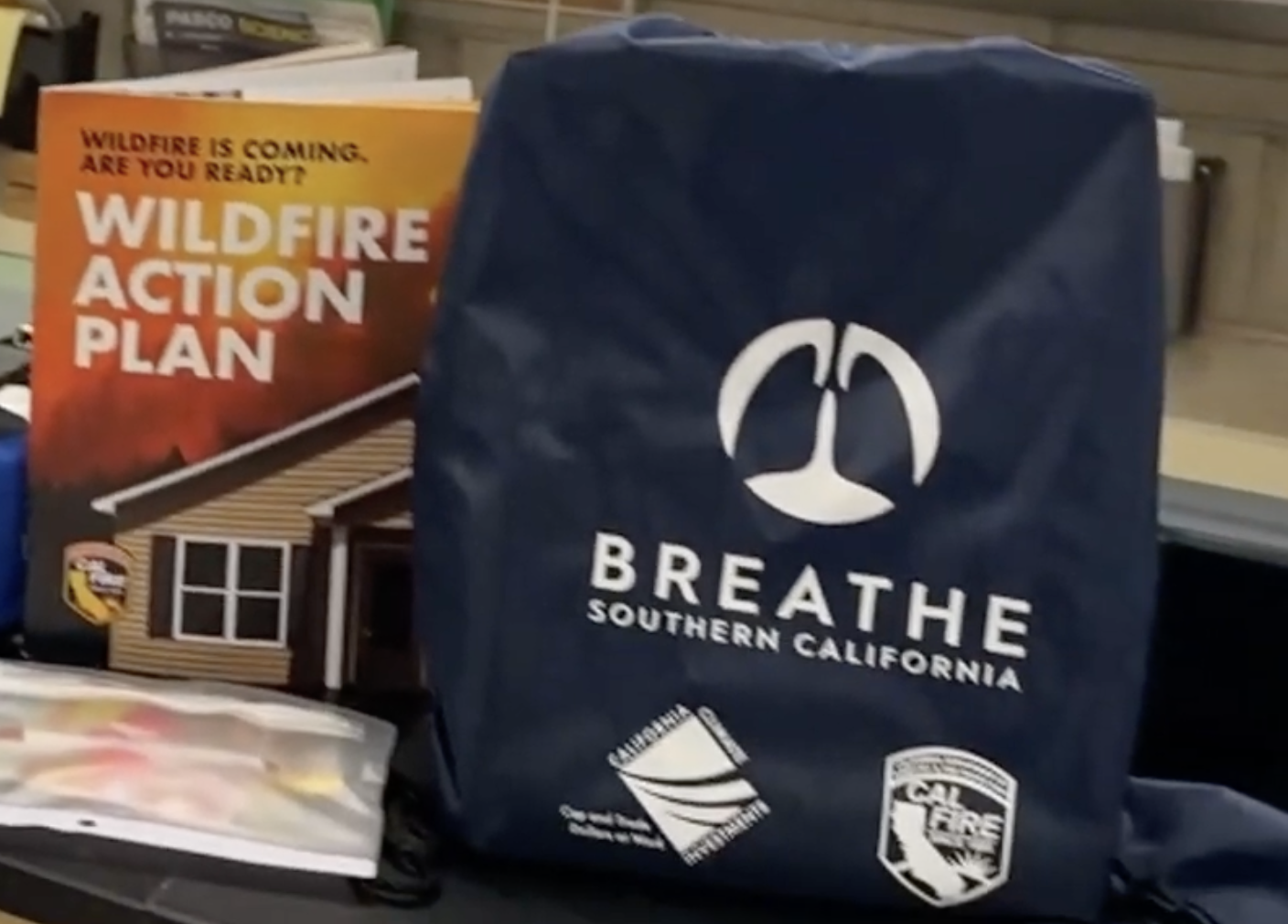
Smoke can travel miles beyond the burn area, worsening air quality across Southern California, where many communities already face unhealthy pollution levels. When we prevent fires before they start, we reduce smoke exposure, limit respiratory flare-ups, and help more people breathe easier.
Communities can reduce wildfire risk by properly disposing of cigarettes, avoiding outdoor burning on high fire danger days, securing vehicles and equipment that could create sparks, and following local fire safety guidelines.
Maintaining at least 100 feet of defensible space around homes can also slow the spread of fire and better protect lives and property.Preventing wildfires also protects our lungs.
Why does this matter to our communities?
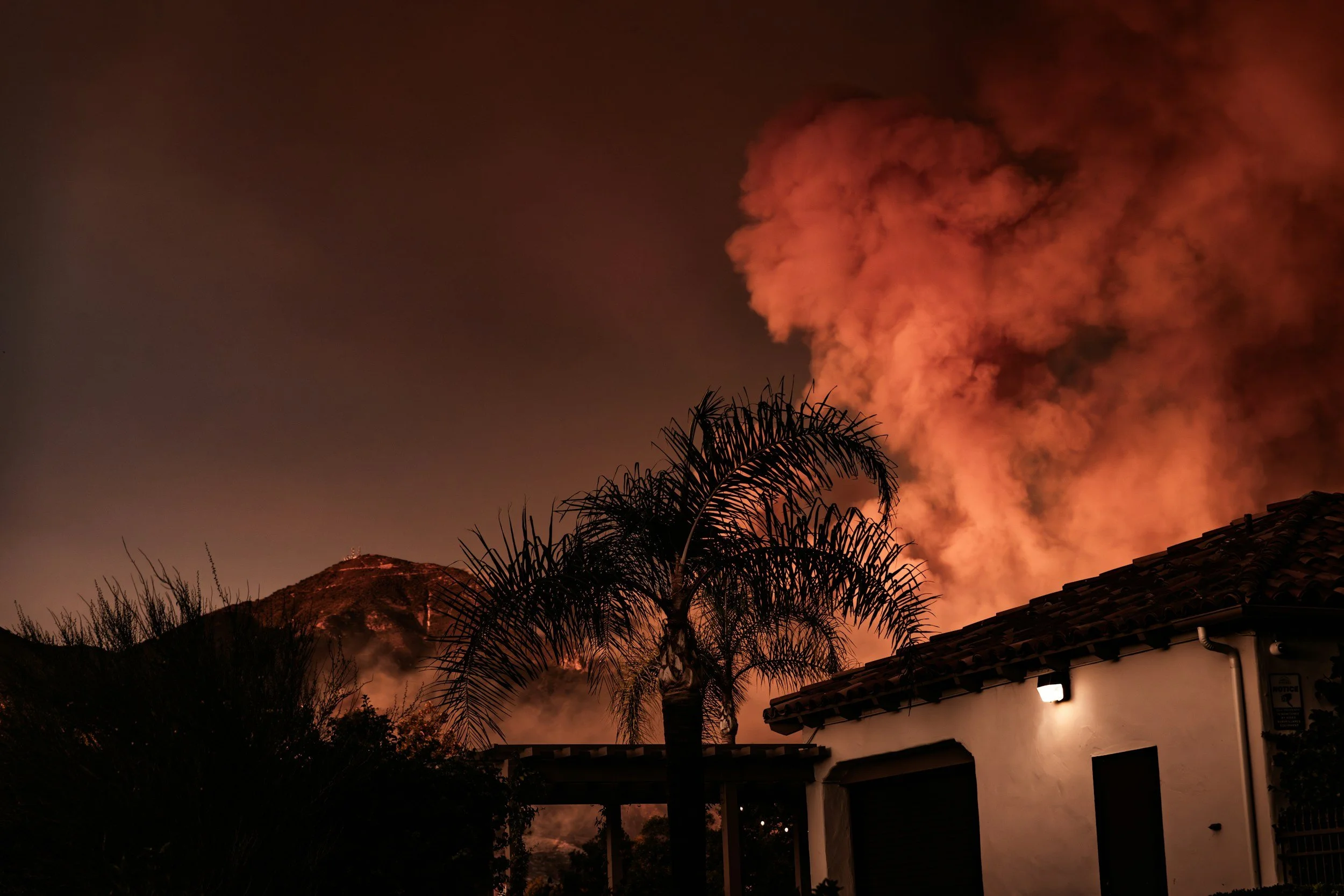
Together with qualified partners like CalFire Breathe Southern California has provided resources and education which include:
- the importance of air monitoring
- Creating a household evacuation plan
- organizing essential supplies
fire season can make a difficult situation more manageable.
If smoke affects your area, spending more time indoors, improving indoor air quality, and wearing a properly fitted N95 mask can help reduce exposure.
Prevention and preparedness work together to keep communities safe, protect clean air, and support healthier lungs for all.