17th ANNUAL PACIFIC COAST LUNG HEALTH CONFERENCE
Meet the Speakers
Meet the experts advancing the conversation on our environment, our climate and our lungs.
Southern California Air: Where We Were, Where We Are, and How to Get to Where We Need to Be
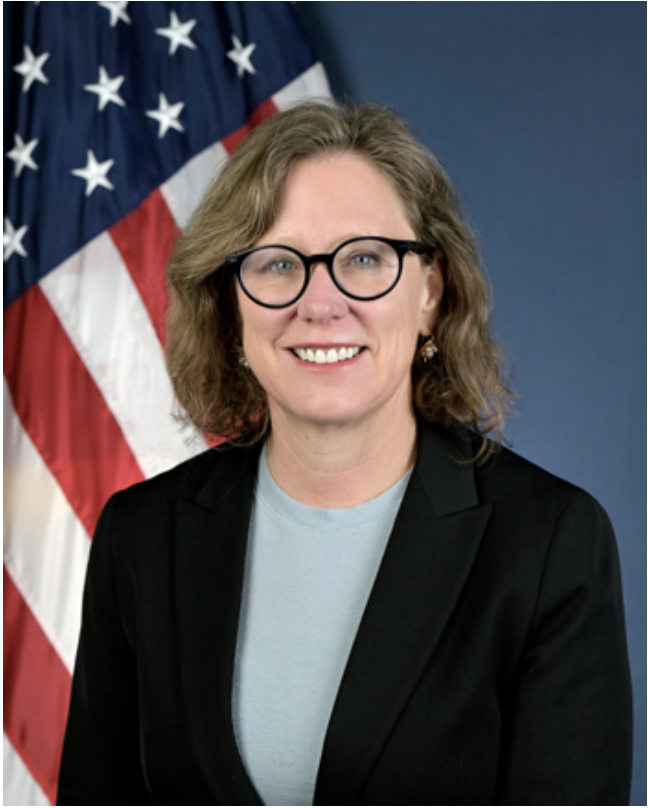
Anne Carlson
Vice Dean of Faculty & Intellectual Life, UCLA School of Law; Shirley Shapiro Professor of Environmental Law; Faculty Director, Emmett Institute on Climate Change & the Environment
-
Ann Carlson is the Shirley Shapiro Professor of Environmental Law and a Faculty Director and the founding Director of the Emmett Institute on Climate Change and the Environment. She is a leading scholar of climate change and air pollution law and policy, the co-author of a top casebook on Environmental Law (with Dan Farber and William Boyd), and the co-editor, with Dallas Burtraw, of Lessons from the Clean Air Act: Building Durability and Flexibility into U.S. Climate and Energy Policy. She has published numerous articles in leading law reviews, including California, Harvard, Michigan, Northwestern, and UCLA. From 2021 to 2024, Carlson served in the Biden-Harris Administration as Chief Counsel and Acting Administrator of the National Highway Traffic Safety Administration. Under her leadership at NHTSA, the agency issued two sets of stringent fuel economy standards, a rule to require pedestrian automatic emergency braking for all light-duty vehicles, and the first ever order requiring immediate reporting of crashes involving automated vehicles. Carlson is a frequent media commentator and blogs at Legal Planet. She is the recipient of the UCLA Distinguished Teaching Award, the Eby Award for the Art of Teaching and the Rutter Award for Excellence in Teaching. Carlson is an elected member of the American Academy of Arts and Sciences and a fellow of the American College of Environmental Lawyers. She is a magna cum laude graduate of both UC Santa Barbara and Harvard Law School.
Wildfires, Health and Public Policy
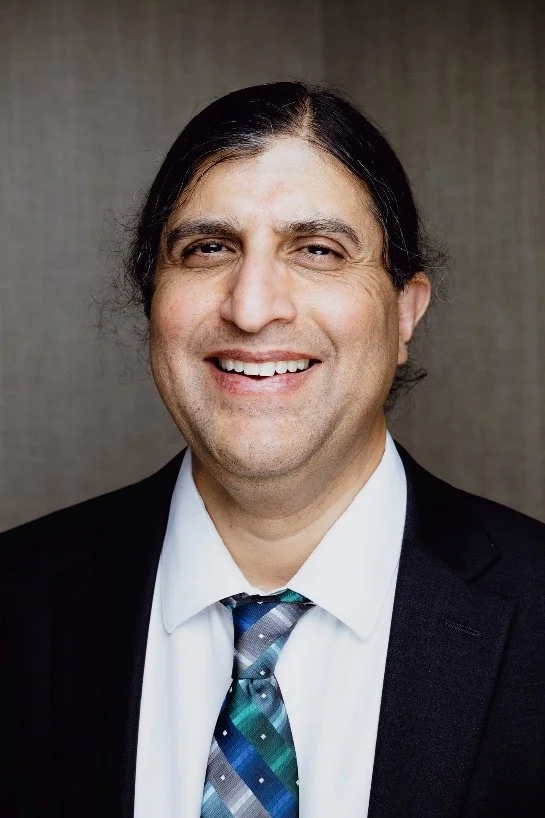
Dr. Bhavesh Robert J. Pandya
Senior Staff Physician and Physician Lead, Occupational Medicine Department, Kaiser Permanente Los Angeles Medical Center
-
Dr. Bhavesh Robert J. Pandya, M.D., M.P.H., FACP, FACOEM, FIAIME, has been a physician in California since 1996. He is Board Certified in Internal Medicine and Occupational and Environmental Medicine and has also been performing Qualified Medical Evaluations for the Division of Workers Compensation (DWC) of California since 2003 and currently serves on the DWC’s QME Report Quality Committee. He is an Expert Reviewer for the Medical Board of California since 2013 and has served on the American Board of Preventive Medicine’s National Taskforce in 2021–2022 as a Subject Matter Expert in Occupational Medicine for revision of their board examination.
He has lectured on various topics related to Occupational and Environmental Medicine including the respiratory health effects of diesel exhaust particulates. At public hearings held by the EPA, he gave testimony on the respiratory health effects of diesel exhaust particulate emissions that along with other experts helped support the EPA’s adoption of the Clean Air Nonroad Diesel Rule in 2004 and the final rule revision for the MSHA standards limiting diesel particulate matter exposure for metal and non-metal mining workers in 2005.
He is a Senior Physician at Kaiser Permanente Los Angeles Medical Center where he has also served as Chief of Service and Physician Lead. In addition to clinical practice, he enjoys teaching and has served as a Clinical Assistant Professor at UCLA and has proctored OEM resident physicians from UCLA, UC Irvine and the University of Pennsylvania over the years. He is a Fellow of the American College of Occupational and Environmental Medicine, the American College of Physicians and the International Academy of Independent Medical Evaluators. He is currently serving as President of IAIME.
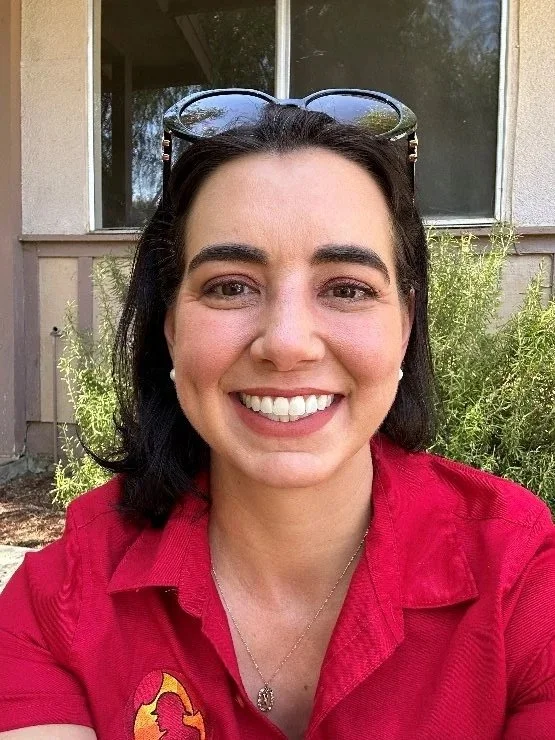
Kelcey Stricker, DrPH, MS
Health and Safety Director, The Wildfire Conservancy
-
Dr. Kelcey Stricker, DrPH, MS, is currently serving as the Health and Safety Director for the Wildfire Conservancy, and as an instructor for the Wildfire Science and Wildland Urban Interface Bachelors of Science program at California State University San Marcos. She has been intimately involved with public health, environmental science, and air quality programs for over twenty years and completed her dissertation research on “Reducing Occupational Exposure in Wildland Firefighters: Developing a Theory-Informed Decontamination Intervention” at the Gillings’ School of Global Public Health at the University of North Carolina at Chapel Hill in 2023. She has led the efforts to establish one of the first Tribal air districts in the U.S. and created regional air quality monitoring programs in southern California. With additional expertise in environmental science and ecology, Dr. Stricker is able to help bridge the gap between public health, statistics, environmental science and policy. She is currently leading the Conservancy’s efforts on a joint cancer study with the Fire Fighter Cancer Cohort Study with CAL FIRE and the University of Arizona as well as respiratory protection research also with CAL FIRE and North Carolina State University.
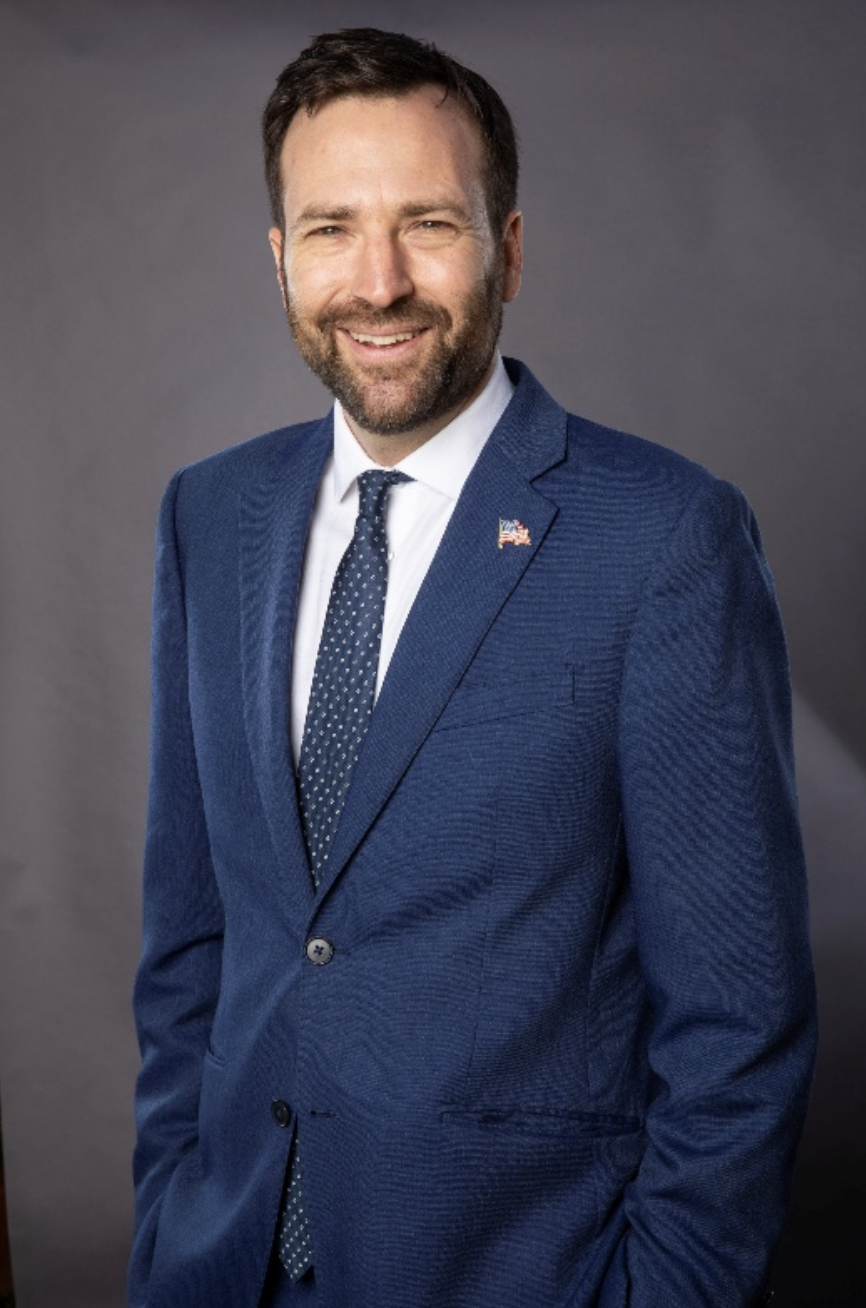
Senator Ben Allen
California State Senator, 24th Senate District
-
California State Senator Ben Allen represents the 24th Senate District, covering the Westside, Hollywood, South Bay, and Santa Monica Mountains communities of Los Angeles County. Ben was first elected in 2014 and is now serving his third term in the State Senate. Senator Allen chairs the Senate Committee on Energy, Utilities and Communications, the Special Committee on International Sporting Events: Olympics, Paralympics and World Cup Soccer, and the Legislature's Joint Committee on the Arts. He additionally co-chairs the Legislature's Environmental Caucus, and is a member of the Legislative Jewish Caucus. He previously served as Chair of the Budget Subcommittee No. 2 on Resources, Environmental Protection and Energy (2025), Environmental Quality Committee (2019-2024), Education Committee (2017-2019), and Elections and Constitutional Amendments Committee (2015-2016). Senator Allen has thrown himself into the important work of state government, focusing on wise decision-making and pushing for reforms that address systemic inadequacies in our state. He has authored over 90 new laws in various areas from insurance, disaster relief, and environmental protection to consumer protection and electoral reform.
During his first two terms in the Senate, fighting the climate crisis and protecting our state's precious natural resources have been among Ben's top priorities. CalMatters recently recognized him as one of the Legislature's foremost leaders in the field of environmental protection. He authored SB 54, groundbreaking legislation to address plastic pollution, which Governor Newsom signed into law to international acclaim. The New York Times called SB 54 "the most sweeping restrictions on plastics in the nation" and suggested the legislation is "another route for curbing carbon emissions and trying to sidestep the worst consequences of global warming" after the Supreme Court gutted the federal government's power to regulate carbon emissions. As Chair of the Senate Environmental Quality Committee, Ben worked with his colleagues to pass a powerful climate package requiring the state to become carbon-neutral by 2045 and produce 90% of its electricity from clean sources by 2035, among other measures. A member of the Ocean Protection Council and Coastal Conservancy, he has led a successful effort to phase out a dangerous carcinogen in firefighting foam, crafted a compromise to phase out destructive trawling gear, and brokered a major bipartisan compromise that lessened the environmental impact of off-highway vehicle use at state facilities. "If only Congress could work out such compromises," wrote the Sacramento Bee editorial board about the bill.
Among his efforts to reform California campaign finance and elections laws, Ben authored the landmark Voter's Choice Act of 2016 to implement more flexibility in how and where to vote, creating the vote center model used in the 2020 elections, which resulted in significantly increased voter turnout. Ben also has been a leader for campaign transparency, and was a leader in passing the Disclose Act and Petition Disclose Act and other transparency measures that have dramatically improved the disclosure of donors to political causes for the public. The California Clean Money Campaign has routinely ranked him top in the Legislature for his commitment to clean money political reform.
An advocate for the Golden State's continued leadership in arts and entertainment, Ben is a member of the California Film Commission. He authored the measure to extend the Film & TV Tax Credit Program to further support and invest in California’s unrivaled film industry. Ben also authored the law that reinstated teaching credentials for theatre and dance educators, and he continues to fight for expanded access to the arts in schools and underserved communities. Ben has been a champion for science and was a joint author of the state's groundbreaking law that increased vaccination rates among school children.
Prior to his election to the Senate, Ben served as President of the Santa Monica-Malibu Unified School District Board of Education, lecturer at UCLA Law School, and worked as an attorney at the law firms of Bryan Cave LLP and Richardson & Patel and at the nonprofit Spark Program. While at law school, Ben served as the voting student member of the University of California Board of Regents and was a summer judicial clerk with the United Nations International Criminal Tribunal for Rwanda. Prior to law school, Ben worked in Washington DC for the Latin American team of the National Democratic Institute for International Affairs (NDI), and then as Communications Director for Congressman Jose Serrano (D-NY).
Ben grew up in the 24th Senate District and attended public schools, graduating from Santa Monica High School in 1996. His father, Michael, spent his career on the English Department faculty at UCLA and mother, Elena, was a public school teacher and artist who served as Chair of the Santa Monica Arts Commission. Ben has a Bachelor of Arts degree magna cum laude in History from Harvard University; a Master's degree in Latin American Studies from the University of Cambridge; and a Juris Doctor degree from UC Berkeley. Fluent in Spanish, Ben is a Senior Fellow with the international human rights organization Humanity in Action, an Aspen Institute-Rodel Fellow, a Truman National Security Project Fellow, and a graduate of the Jewish Federation's New Leaders Project. He and his wife Melanie, an attorney, have a young son, Ezra, and a little daughter, Ena.
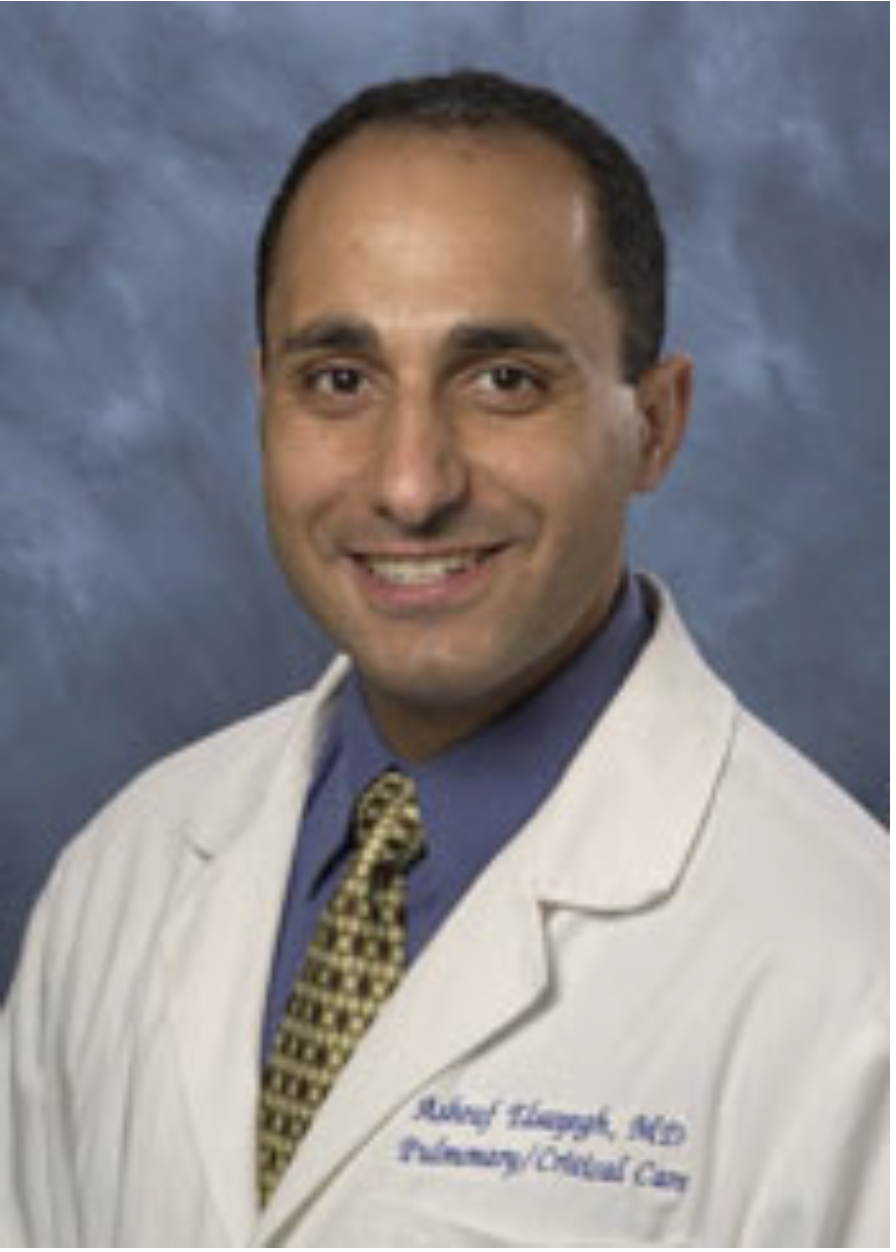
Dr. Ashraf Elsayegh,
Assistant Clinical Professor of Medicine, UCLA; Pulmonary Director, Amyotrophic Lateral Sclerosis (ALS) Clinic, Cedars-Sinai Medical Center
-
Dr. Ashraf Elsayegh, MD, FCCP, is a distinguished physician and researcher based in Los Angeles and an authority on the pulmonary care of neuromuscular patients. He is board-certifed in internal medicine, pulmonary medicine, critical care and sleep medicine with more than 20 years of experience directing pulmonary, critical care and sleep programs. He has worked in a variety of leadership roles at Cedars- Sinai Medical Center including director of the medical ICU and clinical chief of the pulmonary division. He currently heads the pulmonary division in the neuromuscular clinic and serves as an associate clinical professor of medicine at the David Geffen School of Medicine at UCLA. At Providence Saint John’s Health Center, Dr. Elsayegh was instrumental in developing a comprehensive pulmonary program and a new pulmonary interventional bronchoscopy program. Dr. Elsayegh lost his home in the Palisades fire along with nearly every home in his neighborhood. But within days of the fire, he worked with Saint John’s Health Center to open a clinic for the fire victims. Besides his full-time medical practice, Dr. Elsayegh worked with community rebuilding efforts, oversaw the rebuilding of his own home, and saw patients in the fire disaster relief clinic whose ailments were often exacerbated due to exposure to smoke and toxins.
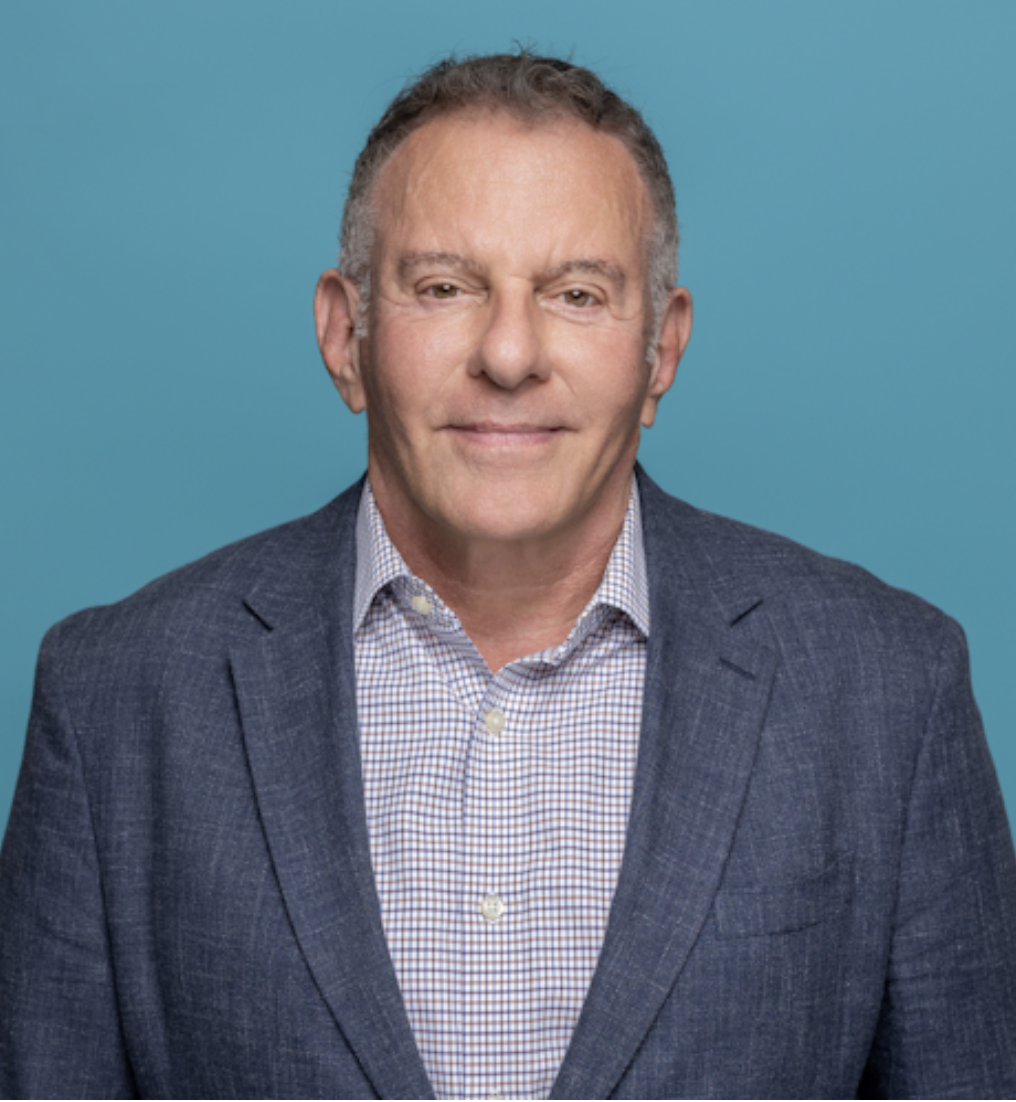
Jim Mangia
President & CEO, St. John’s Community Health
-
Jim Mangia, leads St. John’s Community Health, a network of 28 health centers and five mobile clinics serving over 144,000 patients in South Los Angeles and the Inland Empire. Under his leadership, St. John’s provides comprehensive medical, dental, pharmaceutical, and behavioral health services, focusing on underserved communities—over 95% of patients live below the federal poverty level. Mangia has expanded St. John’s from a small pediatric clinic to the largest federally qualified health center in South LA, recognized for its innovative programs in street medicine, immigrant health, Black maternal health, school-based care, transgender health, and food distribution. During the COVID-19 pandemic, St. John’s was the largest vaccine provider in Southern California, vaccinating over 600,000 people. Mangia is known for integrating healthcare with advocacy, social justice, and community empowerment.
Our Lungs Are the Front Lines: What a Warming Climate Does to the Body
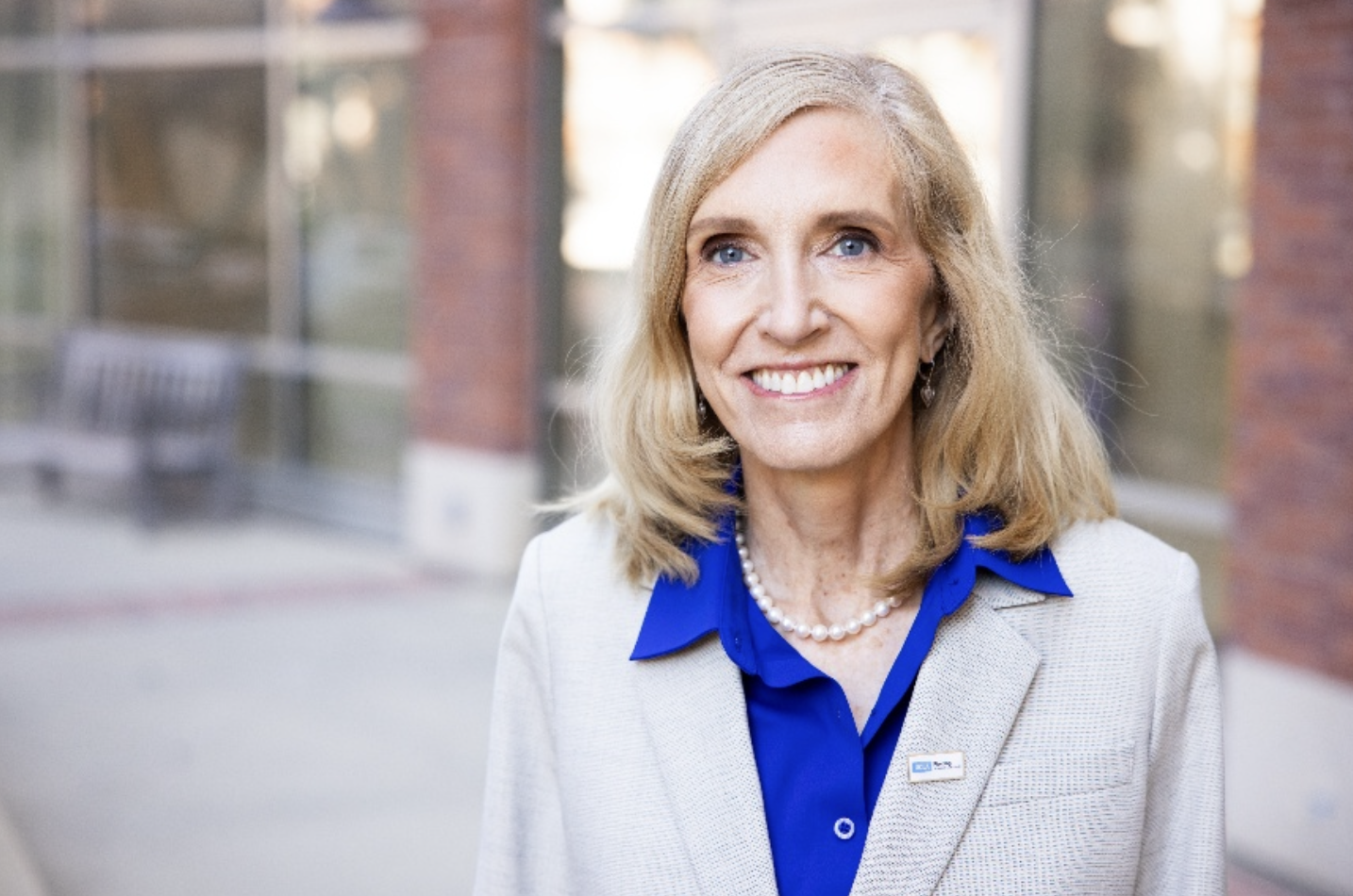
Dr. Kari Nadeau
Dean, UCLA Fielding School of Public Health
-
Dr. Kari Nadeau, MD, PhD, is dean of the UCLA Fielding School of Public Health. Nadeau’s research integrates exposomics (the comprehensive study of all environmental exposures) with immunology and epigenetics to understand and mitigate environmentally associated diseases like allergy, asthma, autoimmune diseases, and cancer. Nadeau actively engages in policy: She works with global health organizations (e.g., WHO, UN), serves on US EPA advisory committees, and translates her findings into actionable health strategies. She earned her MD and PhD from the Medical Scientist Training Program at Harvard Medical School and completed her clinical training in pediatrics and immunology. Nadeau is also a practicing allergist and immunologist, caring for both children and adults.
A world recognized leader in public health and in medicine, Nadeau previously served as the chair of the Department of Environmental Health at Harvard T.H. Chan School of Public Health and John Rock Professor of Climate and Population Studies. During that time, Nadeau was also professor of medicine at Harvard Medical School and director of the Allergy, Climate, and Exposomics Laboratory. She has been involved in the practice, teaching, and research of public health for more than 30 years. For example, Nadeau previously worked on policy for climate change solutions to improve public health and currently co-leads the LA Fire Health Study. She is an adjunct professor at Stanford University in the Department of Pediatrics, and formerly served as the Nadissy Foundation Professor at Stanford University School of Medicine and director of the Sean N Parker Center for Allergy and Asthma at Stanford University School of Medicine.
Nadeau holds leadership positions on numerous boards and at institutions that include undergraduate and graduate schools of public health, medicine, and more. She launched four biotech companies, and while at Stanford University she founded the Climate Change and Health Equity Task Force, and started the Sustainability Health Seed Grant initiative. She has served on the Scientific Advisory Board of the US EPA and works as a member of the UNEA through Harvard University to address environmental health and planetary health governance and policy. She previously served as a member of the US EPA Children’s Protection Scientific Board.
It’s Getting Hot in Here: Addressing Extreme Heat and Its Impact on Respiratory Health
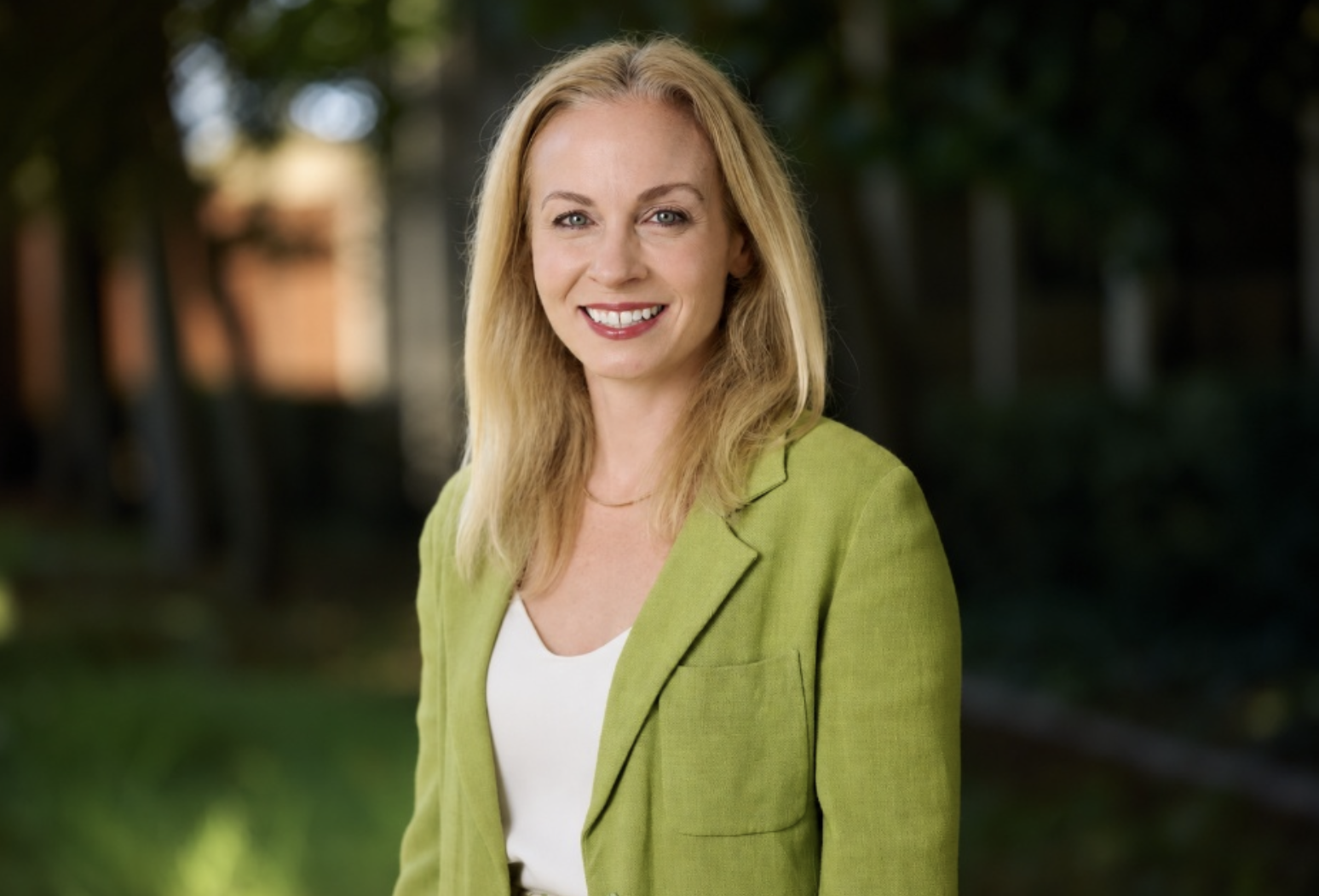
V. Kelly Turner
Professor of Urban Planning and Geography; Associate Director of Heat Equity, UCLA Luskin Center for Innovation
-
V. Kelly Turner is a Professor of Urban Planning and Geography and Associate Director of Heat Equity at the Luskin Center for Innovation at the University of California, Los Angeles (UCLA), where she leads the Center’s research on extreme heat. Her research examines how communities can thrive in a hotter future through urban design, planning, and governance, advancing evidence-based solutions that protect health and well-being where people live, learn, work, and play. Her research has been published in Nature and Environmental Research Letters and funded by the NSF, NOAA, and RWJF. Her contributions include developing actionable tools to advance heat resilience, such as the National Shade Map featured in American Forests’ Tree Equity Score. Turner is also passionate about communicating science to broad audiences. Her TEDxUCLA talk, How to Live in Extreme Heat Without Putting Your Life on Hold, was selected as a TED Editor’s Pick.
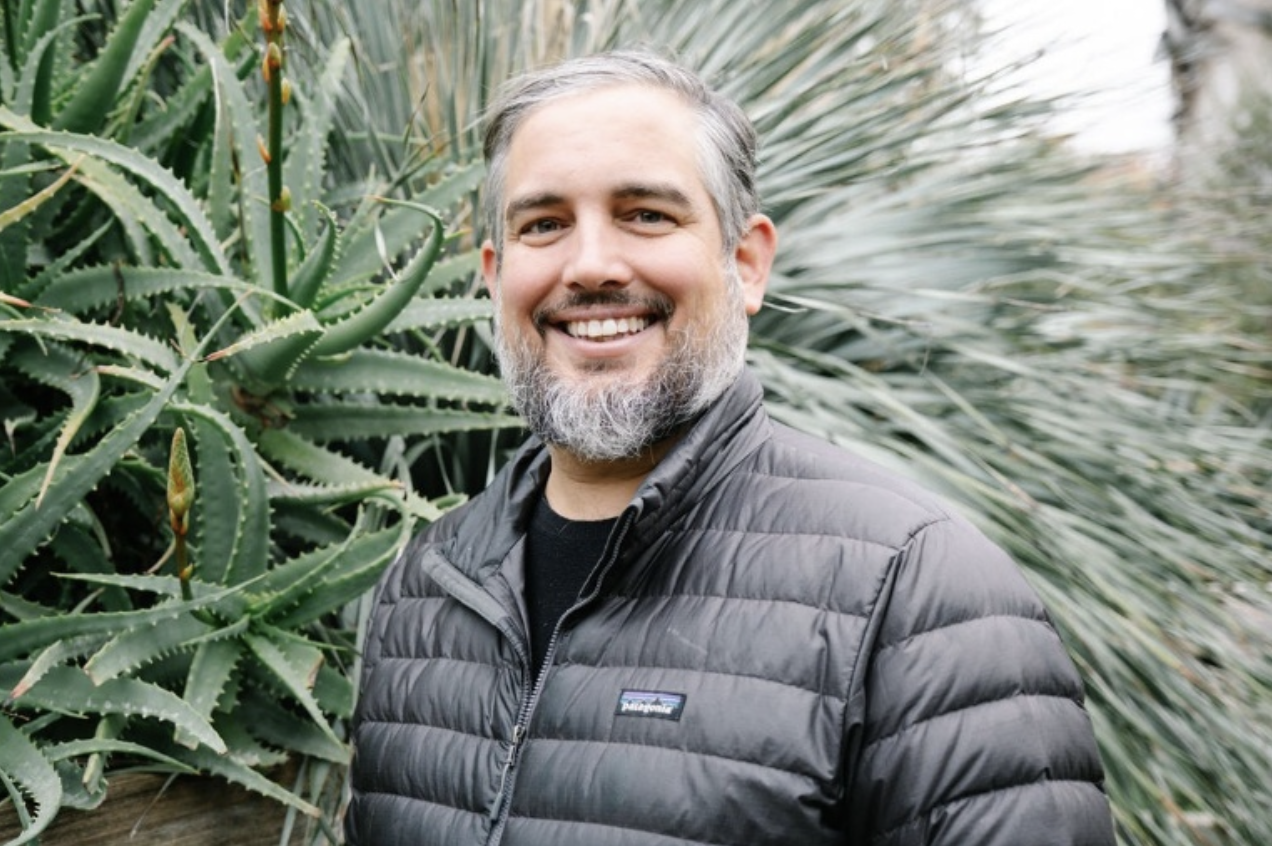
Braden Kay
Extreme Heat Unit Manager, California Governor’s Office of Land Use and Climate Innovation
-
Braden Kay is the Extreme Heat Unit Manager at California’s Governor’s Office of Land Use and Climate Innovation (LCI). Braden's team at LCI run the Extreme Heat and Community Resilience Grant Program, facilitate the development of the Extreme Heat Action Plan and support the implementation and use of CalHeatScore California's heat warning system. Previously, Braden worked in local government in Arizona and Florida with a focus on climate resilience and local climate action. Braden holds a PhD in Sustainability from Arizona State University.